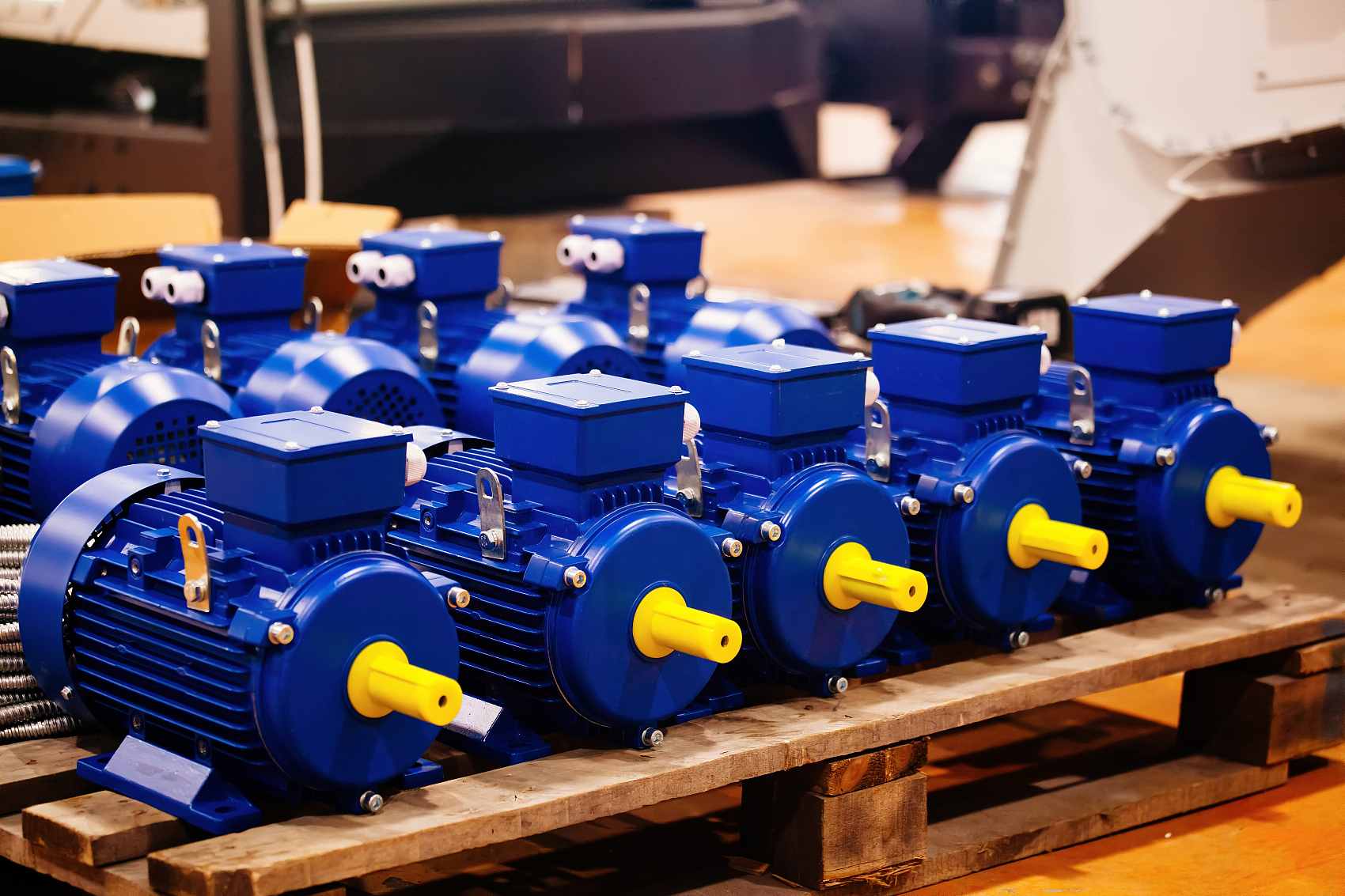
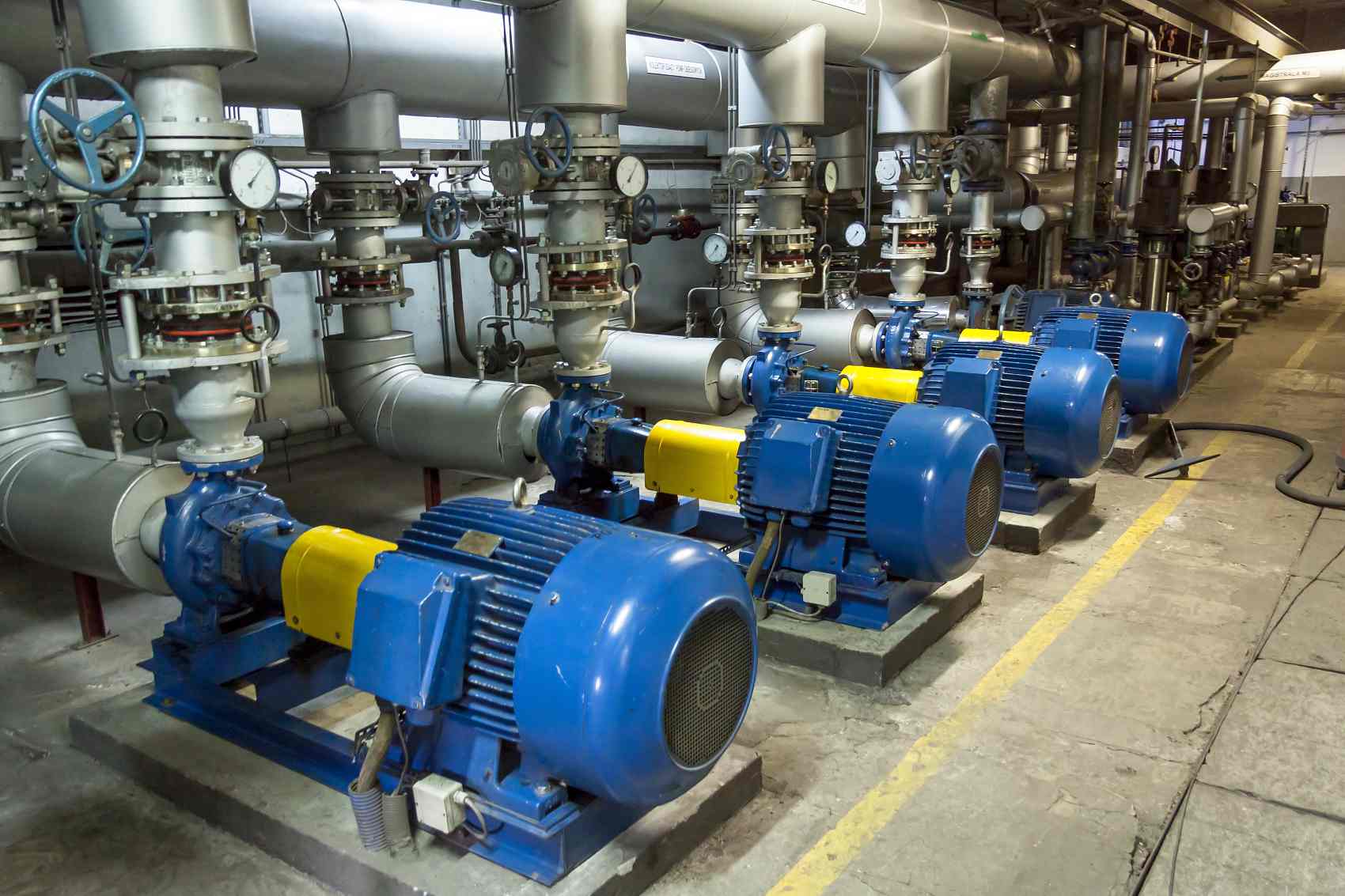
Introduction
Grain augers are unforgiving on motors. Starts often happen under load, material can backfill, and airborne dust finds every gap. If you’re sourcing a custom three-phase induction motor for an auger, the smartest path is a procurement workflow that captures the right data, sets standards-aligned specs, and controls lead time and cost. This guide walks you through that workflow using a grain auger as the running example, with an emphasis on high starting torque and dust protection.
Safety and compliance note: Selection for combustible dust locations must follow your facility’s classification and a Dust Hazard Analysis. Reference the consolidated NFPA 660 framework and local code adoption of NEC (NFPA 70) Article 502 for Class II, Group G equipment. This guide is procurement guidance, not a substitute for code compliance review.

Step 1 — Gather application data for the auger
Build the application input sheet
Before you ask for quotes, lock down the operating context. These inputs drive every downstream decision.
Process and throughput inputs
Capture throughput and material (tons per hour, bulk density, moisture) and any product-handling constraints.
Geometry and load profile
Document auger diameter/length, incline, and trough/backfill risk.
Starts and control strategy
Define starts per hour; start under load vs empty; and whether you’ll use across-the-line, a soft starter, or a VFD.
Environment and dust conditions
Record ambient temperature, altitude, indoor/outdoor exposure, and dust severity.
Power system conditions
Confirm voltage, frequency, phase, and expected voltage dip at start.
Drive train and reducer interface
Capture reducer type and ratio, the desired input interface (C-face or shafted), and any frame interchangeability constraints.
Why it matters: Screw feeders and conveyors can demand starting torque well above running torque; CEMA guidance cites cases up to about 2.5× running torque at startup for feeders due to head load and friction, which informs your locked-rotor torque target. See the industry excerpt in the references for context.

Step 2 — Estimate torque and power (worked example for a custom AC motor for grain auger)
Do a conservative sizing pass
For procurement you don’t need a full design derivation, but a conservative estimate helps set motor size and starting strategy.
Worked example assumptions
Worked example (illustrative):
Application: 10-inch auger, 5 m length, conveying corn at 25 tph on a slight incline.
Assume running shaft power ≈ 3.0 kW (vendor calc or CEMA-based estimate) with service margin.
Starting torque target
What this means for the RFQ
How to choose a starting method
Industry context: Application notes from established OEMs recommend soft starters for conveyors when smooth acceleration is needed and VFDs where continuous speed/torque control matters. That guidance aligns with screw equipment behavior and helps contain mechanical stress at start.

Step 3 — Define the electrical specification
Turn performance needs into nameplate specs
Lock in the nameplate and performance targets that vendors will quote against.
Basics: voltage, frequency, phase, and speed
Specify voltage/frequency/phase (e.g., 460 V, 60 Hz, 3-phase), poles/base speed (4-pole ≈1750 RPM at 60 Hz is common with reducers), and service factor (1.15 typical; consider higher if frequent starts or high ambient).
Starting performance: NEMA design, LRT, and LRC
Choose a NEMA design letter: target Design C for higher locked-rotor torque (≥200% typical), or Design B with documented elevated LRT if acceptable for your start method; confirm LRC implications per NEMA MG 1. State minimum LRT as a percentage of full-load torque and acceptable locked-rotor current bands to avoid supply issues.
Thermal and protection requirements
Define insulation and thermal criteria (Class F or H; temperature rise target; ambient and altitude limits; thermal protection such as PTC/RTD).
Efficiency targets and regulatory timing
For energy performance, specify IE3 (Premium) by default where regulations apply; confirm scope and timing of U.S. DOE rules for your purchase.
Authoritative context: NEMA’s Motors and Generators standard (MG 1) sets frames and design letters and provides starting characteristics by design; IEC 60034-30-1 defines IE classes and aligns closely with “NEMA Premium” levels for 60 Hz motors. The U.S. Department of Energy’s 2023 direct final rule updates conservation standards with compliance for certain motors beginning in 2027; verify applicability to your model and geography before purchase.

Step 4 — Specify the mechanical interface to the reducer
Make fit-up predictable
Aim for clean fit-up, minimal custom machining, and easy maintenance.
Frame and mounting selection
Choose the frame and mounting (NEMA T-frame or IEC metric; footed/footless; C-face if direct-mounting to a gear reducer).
Shaft and keyway definition
Define shaft and keyway (diameter, length, key fit per reducer input; include tolerances).
C-face and flange dimensions to capture
For the C-face/flange, capture pilot diameter, bolt circle, bolt size/quantity, and flange thickness; verify against reducer drawings.
Typical C-face dimensions to verify (illustrative; confirm on drawings):
Frame | Pilot (in) | Bolt circle (in) | Typical bolts |
182/184TC | ≈ 4.000 | ≈ 5.188 | 4 × 3/8–16 or 1/2–13 |
213/215TC | ≈ 5.000 | ≈ 6.250 | 4 × 1/2–13 |
Bearings and vibration acceptance targets
Specify bearings and target vibration limits aligned with common ISO/IEC practices, and plan acceptance checks.
Retrofit alignment check
Also confirm the BA dimension (face-to-foot hole center), which can vary by OEM and affect retrofit alignment.
For reducer context and interface planning, see the neutral overview of gearbox and reducer options.

Step 5 — Choose enclosure, IP rating, and address combustible dust
Match dust exposure to enclosure and ingress protection
Select an enclosure that defends against dust while maintaining cooling.
Enclosure choice: TEFC vs TENV
TEFC is common for dusty grain service; TENV may suit sealed packages with derating considerations.
IP rating targets for dusty sites
Target an IP rating of IP55 or higher for general dust protection; consider IP56–IP65 for severe dust or outdoor exposure, which you might describe internally as a dust protection IP55 motor requirement and above.
Combustible dust classification and suitability
If your facility is classified for combustible dust (Class II, Division 1 or 2, Group G), equipment must be suitable/listed for that area with an appropriate temperature code. Selection follows your Dust Hazard Analysis and the authority having jurisdiction.
Standards anchors: IEC applies IP codes to rotating machines in IEC 60034-5 (access page). For hazardous dust in the U.S., the National Electrical Code addresses Class II locations in NEC (NFPA 70) Article 502, and NFPA has consolidated combustible dust guidance in NFPA 660 (2025), which centralizes fundamentals previously in NFPA 652 and sector specifics from NFPA 61.

Step 6 — Build the RFQ (copy this template)
Make quotes comparable
Provide vendors with a complete, comparable specification. Fill what you know; mark “vendor to advise” if needed.
RFQ fields: electrical, mechanical, and compliance
Section | Field | Your input |
Electrical | HP/kW; poles/base RPM; voltage/frequency; phase |
|
| Service factor; NEMA design (B/C/D); min locked-rotor torque (% FLT); locked-rotor current band |
|
| Insulation class; temp rise; ambient/altitude; thermal sensors (PTC/RTD) |
|
| Efficiency target (IE3 by default) |
|
Mechanical | Frame (NEMA/IEC); mounting (B3/B5/B14; C-face; footed/footless) |
|
| Shaft dia/length; keyway; bearings; vibration acceptance target |
|
| Reducer interface (pilot, bolt circle, bolts); ratio/context |
|
Environment & compliance | IP rating target; enclosure (TEFC/TENV); indoor/outdoor; coating |
|
| Facility dust classification (Class II Div 1/2, Group G) if applicable |
|
| Duty type (S1; note S4/S5 if frequent starts); starts/hour; start method (Across-the-line/Soft starter/VFD) |
|
Project & commercial | MOQ; desired lead time; interchangeable frame preference; NRE/tooling constraints |
|
| Docs/tests requested (drawings, nameplate data, conformity, IR/vibration/no-load reports) |
|
Cost and lead-time levers to ask about
After you’ve drafted the RFQ, factory-direct sourcing can help control unit cost and lead time by reusing standard frames to avoid NRE and by batching builds. For example, Victory Motor supports three-phase AC motors, high-efficiency options, explosion-proof builds, and gear reducers; a single contact can coordinate frame reuse and reducer interfaces in one RFQ. Learn more on their site’s product overviews: three-phase AC motors and explosion-proof motors.

Step 7 — Acceptance testing and commissioning (what to check)
Turn acceptance checks into PO terms
Define checks up front and make them part of the PO terms.
Documentation and nameplate verification
Verify documentation and nameplate (voltage, Hz, RPM, HP/kW, frame, service factor, design letter, IE class, enclosure/IP, and any hazardous-area markings).
Electrical health checks
Conduct an insulation resistance test following IEEE practices for low-voltage motors at 500 VDC; record 1-minute and 10-minute values and polarization index (target around ≥2.0 when corrected to 20°C; use vendor acceptance limits).
Vibration and no-load baseline
Measure vibration at bearing housings and align with OEM acceptance aligned to ISO/IEC norms; investigate abnormally high readings. Record no-load current and compare to vendor typicals.
Mechanical fit-up and IP integrity
Confirm mechanical fit (C-face pilot engagement, bolt torque, shaft/key fit, coupling alignment) and check gasket integrity for IP rating.
Short loaded thermal run
Finish with a short loaded thermal run and monitor temperature rise and noise; if overheating appears with frequent starts, adjust start method or duty assumptions.
Reference context: OEM commissioning notes and ISO/IEC vibration norms (e.g., ISO 20816 series and IEC 60034-14 practices) inform reasonable acceptance bands; always defer to the agreed vendor test sheet.

Step 8 — Troubleshooting and spares strategy
Plan for the predictable failure modes
Quick troubleshooting table
Symptom | Likely cause | Action |
Won’t start under load | Insufficient LRT; voltage sag; mechanical jam/backfill | Specify higher-LRT design (e.g., Design C) or controlled start; verify supply dip; clear jam |
Overheats on frequent starts | Duty mis-specified; low service factor; inadequate cooling | Re-rate duty (S4/S5), raise service factor, add forced ventilation or adjust start method |
Dust-related bearing failures | Inadequate IP or seals; poor gasket integrity | Specify IP55+ (or higher), add shaft/labyrinth seals, verify fastener torque and maintenance |
Spares to keep on hand
Maintain spares: bearings and seals, fan and cover, terminal box parts/gaskets, coupling/key, and at least one complete motor sized for the critical auger if uptime is paramount.
Resources and references (authoritative access pages)
Optional internal context on motor categories and reducers:
Putting it all together
Start with the application data, translate it into concrete electrical and mechanical specs, add your environmental and compliance constraints, and package everything in a clean RFQ. Define acceptance tests up front so commissioning is predictable. With that workflow, a custom AC motor for grain auger procurement becomes a controlled project—high starting torque and dust protection included, without surprises on lead time or budget.