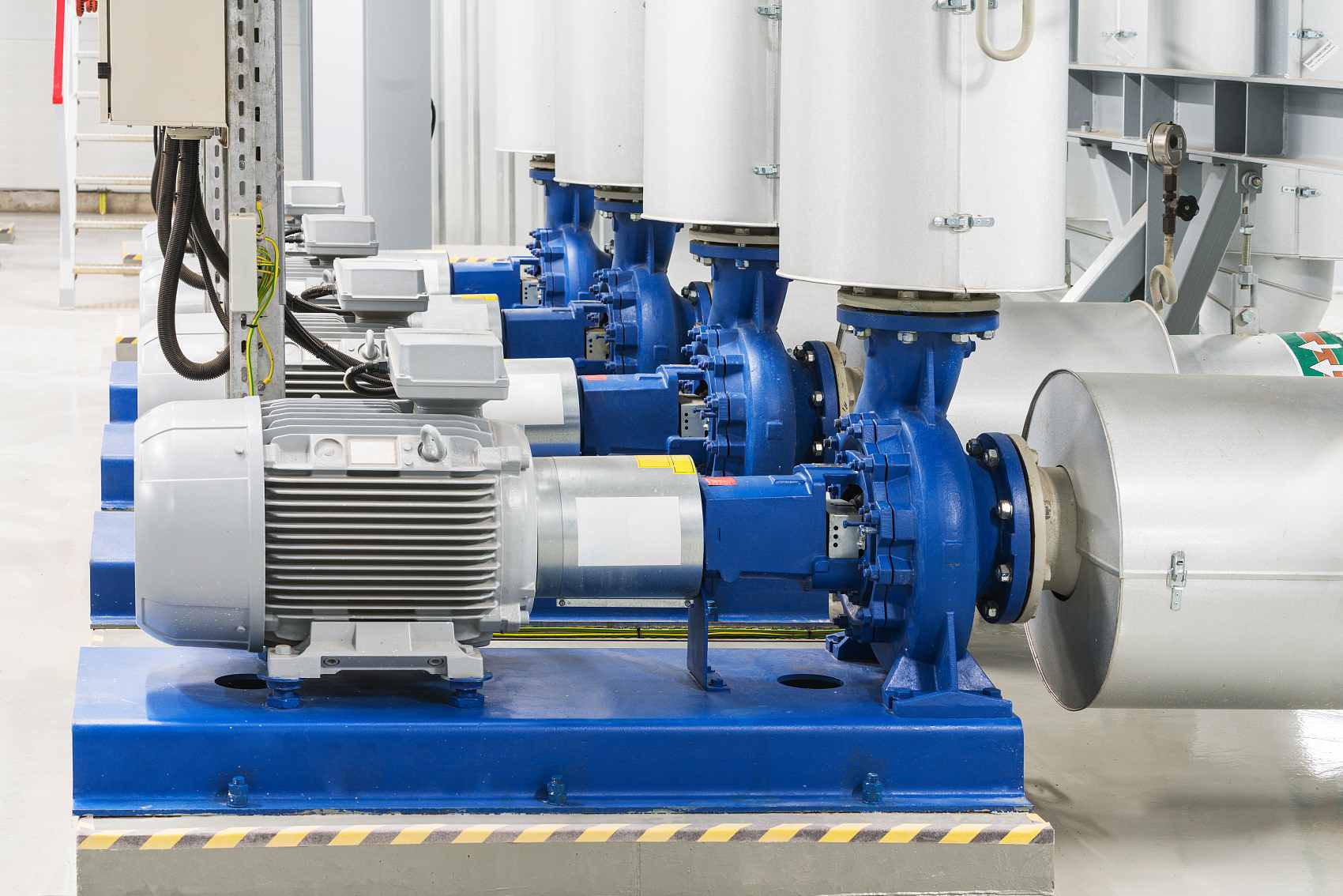
Introduction to Centrifugal Pump Motor Operation
Centrifugal pump motors, particularly those powered by three-phase asynchronous motors, form the backbone of fluid handling in industries ranging from water treatment and oil refineries to HVAC systems and chemical processing. These robust machines convert electrical energy into mechanical power to drive impellers, ensuring efficient fluid movement. A frequently asked question in the pump industry is: what is the typical duration of a centrifugal pump motor operation process? This isn't a one-size-fits-all answer, as it varies based on application, motor type, and operational conditions.
For three-phase asynchronous motors commonly used in centrifugal pumps, operation duration can range from brief cycles in intermittent setups to near-continuous running in industrial environments. Factors like motor efficiency, load demands, and maintenance directly influence runtime. In this optimized guide, we'll delve deeper into the phases of operation, influencing variables, and best practices for extending centrifugal pump motor lifespan. By incorporating real-world insights from pump engineering, we'll provide a comprehensive view that's essential for system designers, operators, and maintenance teams aiming to optimize three-phase asynchronous motor performance in centrifugal pumps.
Why Understanding Operation Duration Matters
Knowing the typical runtime of a centrifugal pump motor helps in energy management, predictive maintenance, and reducing downtime. For instance, in high-demand sectors like petrochemicals, prolonged operation without failure is critical, while in residential water systems, shorter cycles prevent unnecessary wear.
Key Benefits of Optimized Runtime
Energy Savings: Efficient three-phase asynchronous motors reduce power consumption during extended runs.
Extended Equipment Life: Proper cycling minimizes thermal stress on windings and bearings.
Compliance with Standards: Aligns with IEC and NEMA guidelines for motor duty cycles.

Understanding the Core Components of a Centrifugal Pump System
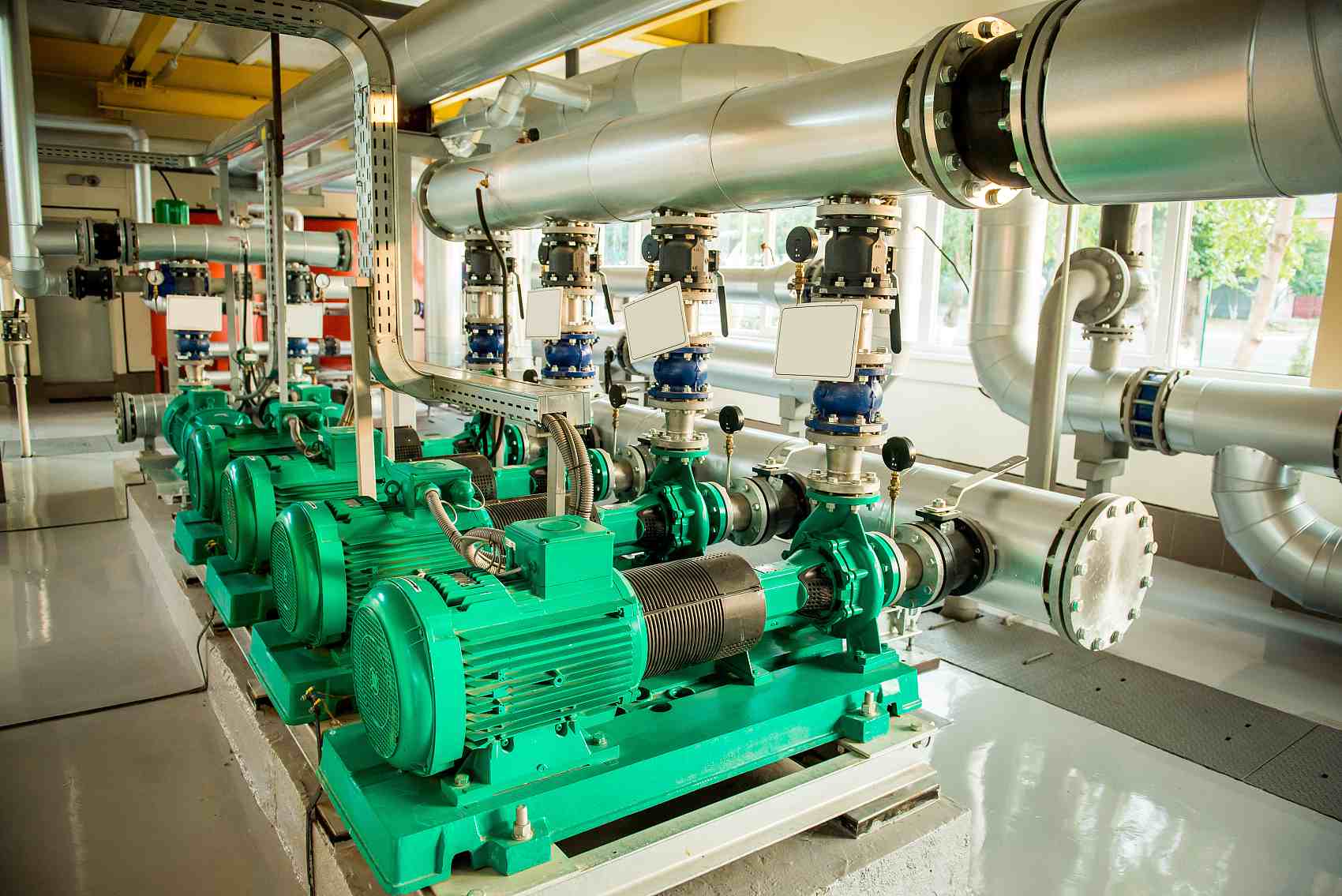
To grasp the operation duration of centrifugal pump motors, it's vital to examine the system's key elements. Three-phase asynchronous motors are preferred for their reliability, high torque, and ability to handle variable loads in centrifugal pumps.
Pump Casing and Impeller Design
The impeller, driven by the motor, imparts kinetic energy to the fluid. In centrifugal pumps, impeller size and vane configuration affect startup time and steady-state efficiency.
Impeller Types and Their Impact on Runtime
The casing, often volute-shaped, converts velocity to pressure. Mismatched designs lead to cavitation, reducing three-phase asynchronous motor runtime by increasing vibration and heat.
Motor Assembly and Drive Mechanism
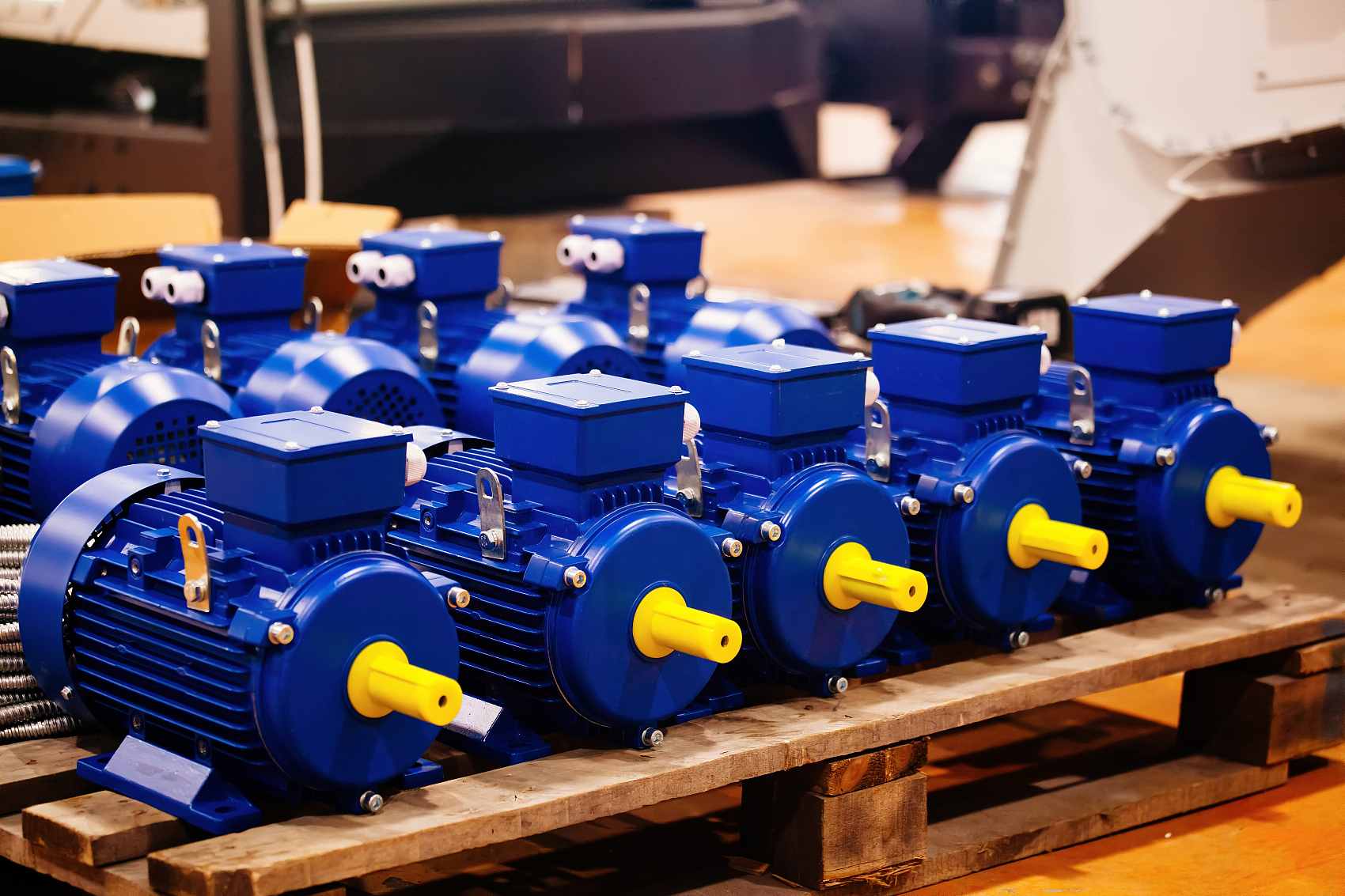
Three-phase asynchronous motors, with their squirrel-cage rotors, provide the power. Rated for S1 (continuous) or S3 (intermittent) duty per IEC 60034, these motors determine overall system endurance.
Three-Phase Asynchronous Motor Features
Insulation Classes: Class F or H allows higher temperatures, enabling extended operation in hot environments.
Cooling Methods: TEFC (Totally Enclosed Fan Cooled) designs prevent overheating during long runs.
Couplings, such as flexible or rigid types, ensure alignment. Misalignment in centrifugal pump motors can cut operation duration by 20-30% due to increased bearing wear.
Drive Options for Enhanced Durability
What Defines an “Operation Process” in Centrifugal Pump Motors
The operation process for centrifugal pump motors encompasses startup, steady-state, and shutdown. For three-phase asynchronous motors, this cycle is influenced by electrical characteristics and mechanical loads.
Phases of Operation
Startup Phase
Involves accelerating the rotor to synchronous speed.
Steady-State Running Phase
Where the motor maintains constant output.
Shutdown Phase
Deceleration and cooling.
Defining "operation" holistically ensures accurate assessments of centrifugal pump motor runtime.

Typical Startup Duration of a Centrifugal Pump Motor
Startup is brief but energy-intensive, especially for three-phase asynchronous motors in centrifugal pumps.
Electrical Startup Phase
Lasts 2-10 seconds, with inrush currents up to 6-8 times rated current.
Starting Methods and Their Effects
Direct-On-Line (DOL): Quick but stressful; suitable for small centrifugal pumps.
Soft Starters: Extend startup to 10-20 seconds, reducing torque spikes for longer motor life.
Mechanical Stabilization Phase
Takes 30 seconds to 5 minutes as flow stabilizes.
Factors Affecting Stabilization
Fluid Viscosity: Higher viscosity prolongs this phase in chemical centrifugal pumps.
System Priming: Ensures no air pockets, critical for three-phase asynchronous motor efficiency.
Steady-State Operation Duration Explained
This is the core phase where centrifugal pump motors, driven by three-phase asynchronous motors, perform most work.
Continuous-Duty Applications
Runtime can exceed 8,000 hours annually in systems like cooling towers.
Examples in Industry
Intermittent-Duty Applications
Cycles last 5-60 minutes, as in sump pumps.
Cycle Optimization Tips
Monitoring Tools for Steady-State
Shutdown Duration and Post-Operation Behavior
Shutdown ensures safe deceleration, lasting seconds to minutes.
Immediate Stopping Phase
Power cutoff leads to coast-down.
Braking Techniques
Thermal Stabilization Phase
Can take 15 minutes to hours.
Cooling Strategies

Factors Influencing the Duration of Centrifugal Pump Motor Operation
Multiple variables affect runtime in centrifugal pumps with three-phase asynchronous motors.
1. Pump Design and Size
Larger pumps support continuous operation.
2. Size-Specific Considerations
Small Pumps (<5 HP): Intermittent, 10-30 minute cycles.
Large Pumps (>50 HP): Continuous, with MTBF over 50,000 hours.
3. Motor Power Rating
Oversized three-phase asynchronous motors extend duration by running below capacity.
4. Efficiency Classes
5. Fluid Characteristics
Abrasives shorten runtime; clean fluids extend it.
6. Handling Challenging Fluids
Operational Cycles: Continuous vs Intermittent Use
Continuous cycles in three-phase asynchronous motors mean indefinite runtime; intermittent involve defined stops.
Continuous Operation Benefits
Reduces start-up wear in industrial centrifugal pumps.
Design for Continuity
Intermittent Operation Challenges
Frequent starts stress windings.
Managing Intermittency
Industrial Standards and Typical Time Benchmarks
Standards like IEC 60034 and NEMA MG-1 guide centrifugal pump motor operation.
Duty Cycle Classifications
Benchmark Runtimes
Compliance Testing

Role of Load Conditions in Determining Operation Time
Optimal loads at BEP (Best Efficiency Point) maximize duration.
Ideal Load Scenarios
Balanced hydraulics in centrifugal pumps.
Overload Risks
Increases heat, cutting runtime by up to 50%.
Underload Issues
Causes inefficiency in three-phase asynchronous motors.
Load Matching Techniques
Impact of Control Systems and Automation
VFDs (Variable Frequency Drives) enhance control in centrifugal pump motors.
VFD Advantages
Speed modulation extends runtime.
Automation Features
Protective Functions
Overcurrent protection prevents premature shutdowns.
Integration with IoT
Real-time monitoring for predictive runtime optimization.
Energy Efficiency and Its Relationship to Operation Duration
IE4 three-phase asynchronous motors link efficiency to longer runs.
Motor Efficiency Impact
Reduces heat, supporting continuous centrifugal pump operation.
System-Level Efficiency
Energy Audits
Identify improvements for extended duration.
ROI Calculations
Efficient motors pay back through reduced downtime.

Maintenance Practices and Their Effect on Operational Time
Proactive maintenance extends centrifugal pump motor life.
Routine Checks
Lubrication and alignment.
Bearing Maintenance
Predictive Maintenance
Vibration analysis forecasts failures.
Tools and Techniques
Common Misconceptions About Pump Motor Run Time
Myth: Continuous running harms motors—fact: Designed for it in centrifugal pumps.
Debunking Frequent Starts
Actually accelerate wear.
Evidence from Studies
NEMA reports show starts limit lifespan.
Runtime vs. Idle Time
Balance based on application.
Real-World Applications and Practical Timeframes
Municipal Water Systems
24/7 operation with three-phase asynchronous motors.
Case Study: Urban Pumping Stations
Achieve 99% uptime.
Industrial Manufacturing
Shift-based runs of 8-16 hours.
Agricultural Irrigation
Intermittent cycles of 30-120 minutes.
Residential and Commercial Uses
Short bursts in booster pumps.

Case Studies: Real-World Insights into Centrifugal Pump Motor Operation
To illustrate the practical implications of centrifugal pump motor operation duration, failures, and optimizations, we've compiled case studies from industry sources. These examples highlight common challenges with three-phase asynchronous motors in centrifugal pumps, diagnostic methods, and solutions that extend runtime and reliability. Focusing on centrifugal pump motor failure case studies and three-phase asynchronous motor optimizations, these provide actionable lessons for SEO-optimized pump system management.
Case Study 1: Three-Phase Motor Failure Due to Power Quality Issues (Fluke Corporation)
In this centrifugal pump motor failure case study, a large three-phase asynchronous motor in an industrial facility failed twice annually for three consecutive years, incurring significant repair costs and downtime. The motor, part of a critical fluid handling system, exhibited symptoms like overheating windings and exceeded Full Load Amperage (FLA) ratings.
Problem and Analysis
The facility manager engaged an independent consultant after disputes between the electrical contractor and motor manufacturer. Using a Fluke 434 power quality analyzer, measurements revealed voltage unbalance across phases, with waveforms showing magnitude differences. Current readings were unbalanced and higher than the motor's FLA, traced back to imbalanced single-phase loads connected to the same phase in equipment installed three years prior.
Findings and Solutions
The voltage unbalance caused current unbalance, elevating temperatures in conductors and motor windings, leading to repeated failures. By redistributing the single-phase loads across all three phases, the unbalance was reduced, lowering phase currents and operating temperatures. Post-resolution benchmarks confirmed improved performance, and a preventive maintenance schedule was implemented. This optimization extended the motor's operation duration from intermittent failures to reliable continuous duty, aligning with IEC standards for three-phase asynchronous motors in centrifugal pumps.
Key Takeaways for Runtime Optimization
Regular power quality surveys can prevent up to 50% of motor failures.
Balanced loads ensure steady-state operation exceeds 8,000 hours annually.

Case Study 2: Cavitation Detection in a VFD-Controlled Centrifugal Pump (Samotics)
This case study examines a 200 kW VFD-controlled centrifugal pump used as a product pump in a tank storage facility, where operation duration was compromised by cavitation-induced damage.
Failure Mode and Detection
The pump was ramped up to high speed in a nearly empty tank, causing severe cavitation due to mismatched Net Positive Suction Head (NPSH) and RPM. This led to potential long-term impeller, bearing, and seal degradation, shortening effective runtime. Samotics' SAM4 condition monitoring system flagged a sudden rise in the noise floor around the pump's supply frequency, visualized in heat maps comparing normal (high tank levels) and faulty operations.
Outcomes and Benefits
Inspection revealed the issue stemmed from rapid speed ramp-up before a smaller positive displacement pump took over. Adjusting operating procedures to match startup speed with tank conditions eliminated risks. This three-phase asynchronous motor optimization prevented recurring damage across similar centrifugal pumps, extending operation cycles from high-risk intermittent use to stable, prolonged runs with minimal downtime.
Lessons for Three-Phase Asynchronous Motor Reliability
IoT-based monitoring detects cavitation early, preserving up to 20-30% more runtime.
VFD integration with sensors optimizes startup phases, reducing mechanical stress.

Case Study 3: Fault Detection in Industrial Centrifugal Pumps (Aalborg University Thesis)
Based on experiments at an industrial test-bench, this case study involved a Grundfos 1.5 kW CR5-10 centrifugal pump driven by a three-phase asynchronous motor, testing fault detection under varying operating conditions.
Experimental Setup and Faults Simulated
The setup included electrical (voltages/currents), mechanical (shaft oscillations), and hydraulic (pressure/flow) measurements. Faults like inter-turn short circuits (stator burnout), rub-impact (increased friction), dry-running, cavitation, and leakage were simulated realistically, such as shorting phase windings or valve manipulations.
Methods and Findings
Model-based approaches (residual observers and Analytical Redundant Relations) and signal-based methods (variance in Park-transformed currents and pressure) detected five mechanical/hydraulic faults robustly, even amid load changes. Cavitation and dry-running showed similar signatures, but others were isolatable. The system proved effective for real-time implementation, with residuals like r1, r2, r3 enabling early intervention.
Resolutions and Optimizations
Adaptive observers estimated fault parameters, supporting predictive maintenance. This extended the pump's operation duration by addressing issues before failure, achieving high robustness to transients and disturbances in three-phase asynchronous motor applications.
Implications for Centrifugal Pump Operation
Structural analysis decomposes systems for targeted FDI, boosting MTBF beyond 50,000 hours.
Combined electrical-hydraulic monitoring distinguishes faults, optimizing intermittent and continuous cycles.

Case Study 4: Overheating in Canned Motor Pumps for Refining Applications (Scientific Reports)
In a distillation column setup, a canned motor pump experienced high-temperature failures, impacting operation duration in chemical processing.
Investigation and Causes
Overheating occurred due to operational faults like axial force imbalances from improper flow conditions. Analysis revealed that distillation process errors led to excessive heat buildup in the sealed motor-pump unit.
Findings and Recommendations
The study identified root causes in inlet pressure drops and fluid characteristics, similar to cavitation in standard centrifugal pumps. Solutions included enhanced monitoring of motor currents and vibrations, plus procedural adjustments to maintain balanced loads. This restored continuous operation, preventing shutdowns that previously limited runtime to hours instead of days.
Optimization Strategies
Seal integrity checks integrate with IoT for predictive alerts.
Aligns with energy-efficient designs, extending three-phase motor life in harsh environments.

Optimizing Centrifugal Pump Motor Operation Duration
Optimizing operation duration is not about maximizing runtime at all costs. It is about achieving the right runtime for the application. Proper sizing, intelligent controls, efficient system design, and disciplined maintenance work together to ensure that the pump motor operates for exactly as long as needed, safely and efficiently.
When these elements are in place, centrifugal pump motors deliver predictable, long-lasting performance that aligns with both operational goals and economic realities.
Sizing and Selection
Match three-phase asynchronous motors to loads.
Tools for Optimization
Intelligent Controls
VFDs and automation.
Maintenance Scheduling
Condition-based for maximum uptime.
Training and Best Practices
Operator education extends duration.

Conclusion
The typical duration of a centrifugal pump motor operation process, especially with three-phase asynchronous motors, varies widely—from seconds in startup to years in continuous duty. By focusing on design, loads, controls, and maintenance, operators can achieve optimal runtime. This not only enhances efficiency but also aligns with SEO-optimized practices for pump industry professionals seeking reliable, long-lasting centrifugal pump systems.
Frequently Asked Questions
1. How long can a centrifugal pump motor run continuously?
In continuous-duty setups with three-phase asynchronous motors, indefinitely, subject to maintenance.
Factors Limiting Continuous Run
2. Does frequent starting reduce motor lifespan?
Yes, due to inrush currents stressing windings.
Mitigation Strategies
Use soft starters.
3. Is it better to leave a pump running or turn it off?
Depends: Continuous for steady demand; off for intermittent.
4. What is the shortest typical operation duration?
Minutes in residential centrifugal pumps.
Examples of Short Cycles
Sump pumps activating on demand.
5. Can automation extend pump motor operation time?
Absolutely, via precise control and monitoring.
Automation Technologies
VFDs and sensors.
6. How do three-phase asynchronous motors differ in centrifugal pumps?
They offer high starting torque and efficiency for varied runtimes.
Advantages Over Single-Phase
Better for industrial-scale operation.