Introduction: Why Understanding Motor Standards Matters
In today’s global industrial market, electric motors are used across countless applications—from manufacturing equipment and conveyors to pumps, compressors, and gearboxes. However, one challenge many manufacturers and equipment designers face is the difference between IEC motor standards and NEMA motor standards.
If you are sourcing a three phase electric motor, integrating a gear motor, or replacing an existing industrial electric motor, understanding these standards becomes critical.
Two dominant standards exist worldwide:
Both standards define the design, performance, and dimensions of electric motors, but they follow different systems. This often raises an important question for engineers and procurement teams:
Can IEC motors replace NEMA motors?
In this guide, we’ll break down the key differences between IEC motors and NEMA motors, explain their interchangeability, and help manufacturers choose the right motor for their applications.
![]()
Global Standard for Industrial Electric Motors
The IEC motor standard is developed by the International Electrotechnical Commission and is widely adopted across Europe, Asia, and most international markets.
Today, most industrial electric motors used in global equipment manufacturing follow IEC standards.
IEC motors are commonly used in:
For companies exporting machinery globally, IEC motors offer strong compatibility across multiple regions.
Common Features of IEC Motors
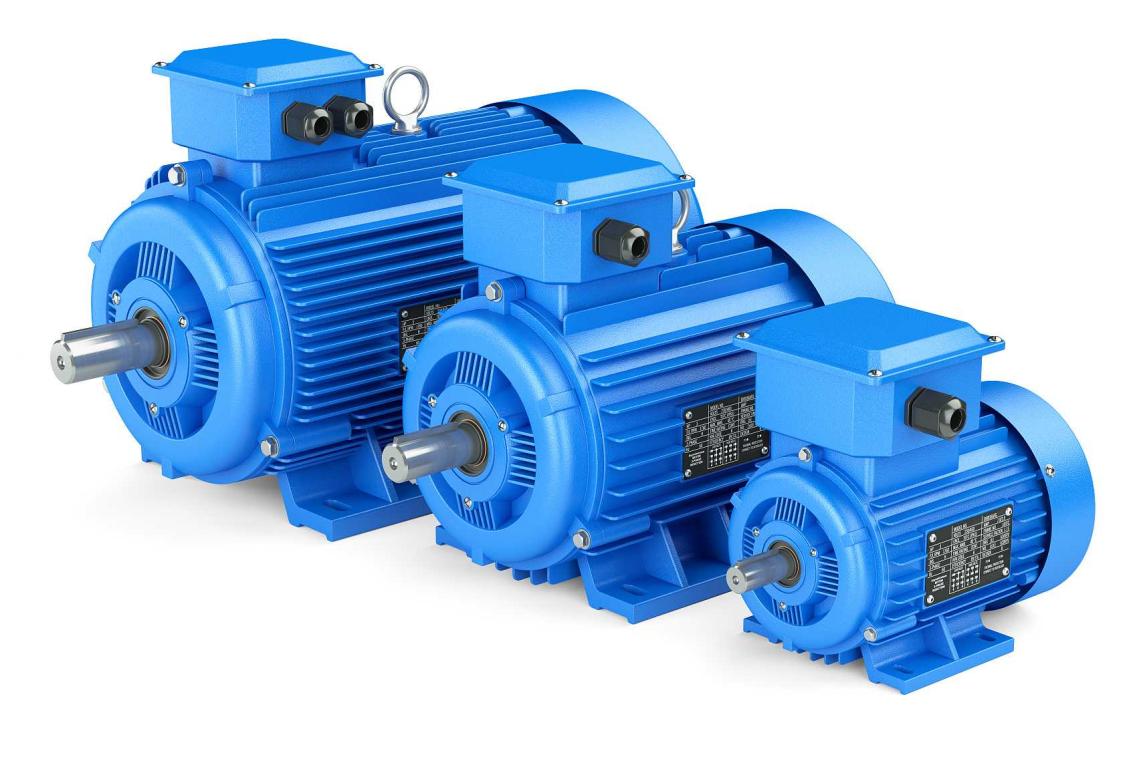
IEC motors are known for their compact design, standardized mounting, and global compatibility.
Typical features include:
Metric frame sizes
Foot mounted motors (B3)
Flange mounted motors (B5 / B14)
Standardized shaft dimensions
Efficiency classes such as IE2, IE3, IE4
For example, many three phase motors used with gearboxes are designed according to IEC frame standards such as:
63
80
90
100
112
132
160
180
200+
These frame sizes allow easy integration with helical gearboxes, worm gear reducers, and cycloidal reducers.
What Is the NEMA Motor Standard?
![]()
North American Motor Standard
The NEMA motor standard is developed by the National Electrical Manufacturers Association and is primarily used in:
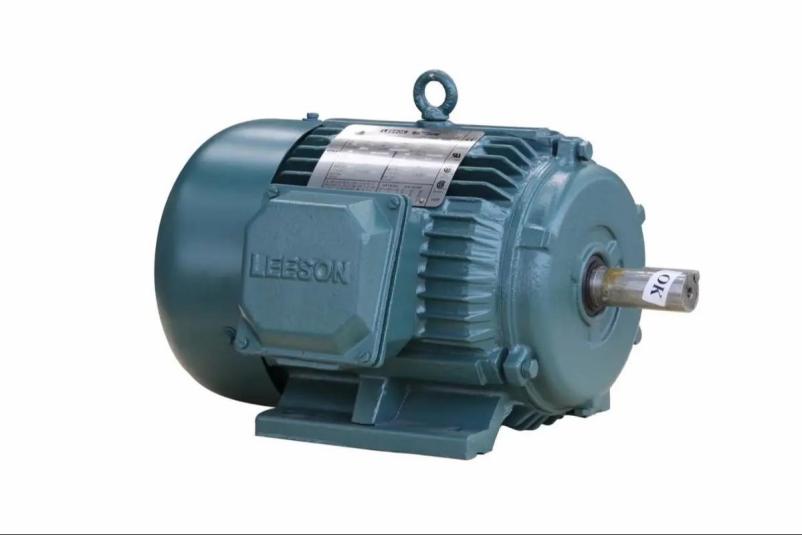
NEMA standards define motor performance, frame dimensions, and enclosure types used in North American industries.
Typical applications include:
HVAC systems
Pumps
Compressors
Industrial machinery
Many equipment manufacturers in the U.S. design their systems around NEMA frame motors.
Key Characteristics of NEMA Motors
NEMA motors often differ from IEC motors in several ways.
Typical characteristics include:
Imperial frame measurements
Higher service factors
Different shaft dimensions
Different mounting standards
Common NEMA frame sizes include:
143T
145T
182T
184T
213T
215T
Because of these structural differences, direct replacement is not always straightforward.
IEC vs NEMA Motors: Key Differences
Understanding the differences between IEC motors and NEMA motors is essential when selecting or replacing motors in industrial equipment.
1. Frame Size and Dimensions
One of the most noticeable differences is frame size measurement.
For example:
| Feature | IEC Motor | NEMA Motor |
Measurement system | Metric | Imperial |
Frame size | 90, 112, 132 | 145T, 184T |
Shaft height | Metric standardized | Inch based |
This difference means mounting holes and shaft heights may not match directly.
2. Power Rating System
IEC motors typically rate power in kilowatts (kW), while NEMA motors use horsepower (HP).
Example comparison:
| IEC Motor | NEMA Equivalent |
0.75 kW | 1 HP |
1.5 kW | 2 HP |
7.5 kW | 10 HP |
15 kW | 20 HP |
Although the power output is similar, ratings are expressed differently.
3. Efficiency Standards
IEC motors follow IE efficiency classes, including:
IE2 motor
IE3 motor
IE4 motor
Meanwhile, NEMA motors use NEMA Premium efficiency standards.
For global OEMs exporting machinery, IE3 motors are currently one of the most common requirements.
4. Service Factor
NEMA motors typically include a service factor (SF) greater than 1.0.
Example:
IEC motors usually do not rely on service factors but instead define performance within strict operating limits.
5. Mounting and Design Philosophy
IEC motors prioritize:
Compact structure
Easy gearbox integration
Modular mounting options
This is why IEC motors are widely used in gear motors and industrial gearboxes.
Can IEC Motors Replace NEMA Motors?
This is one of the most common questions from engineers and purchasing managers.
The answer is:
Yes, but not always directly.
When Replacement Is Possible
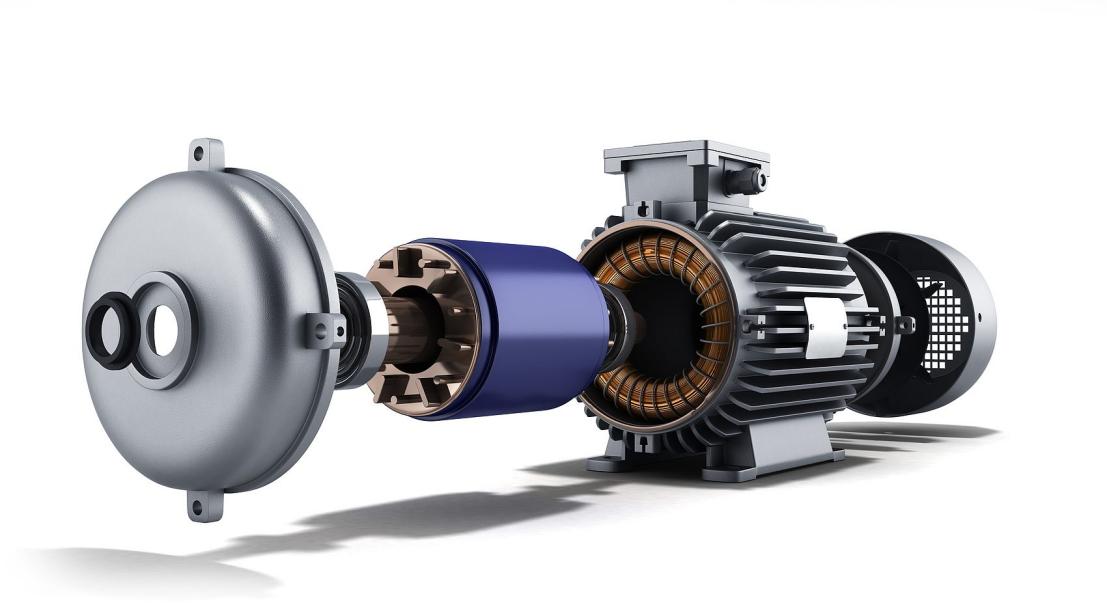
![]()
An IEC motor can replace a NEMA motor when:
Power rating is equivalent
Shaft diameter is compatible
Mounting holes match or can be adapted
Often, adapter plates or custom couplings can solve minor dimensional differences.
Common Replacement Solutions
Typical solutions include:
Adapter plates
Shaft sleeves
Custom mounting brackets
Flexible couplings
Many OEM manufacturers prefer IEC motors because they are easier to integrate with gear reducers and transmission systems.
IEC Motors for Gearboxes and Industrial Transmission
For equipment manufacturers using gearboxes, IEC motors offer significant advantages.
IEC motors integrate easily with:
Helical gear reducer
Helical gearbox
Worm gear reducer
Cycloidal reducer
Gear motor systems
Because the IEC flange sizes and shaft dimensions are standardized, gear reducer manufacturers can easily match motors and gearboxes.
This is one reason why IEC motors dominate in gear motor applications worldwide.
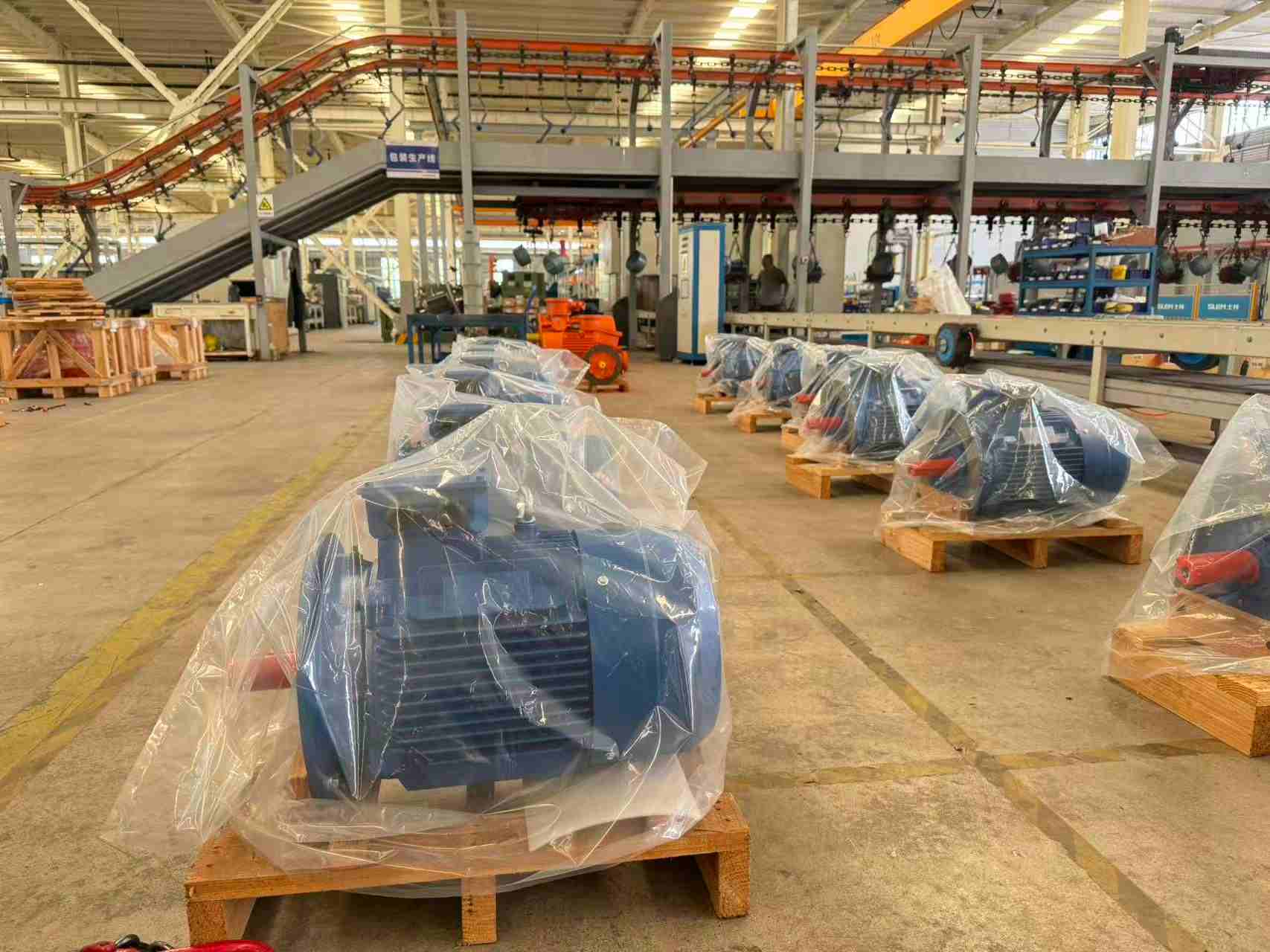
Victory Motor: Reliable IEC Motor Manufacturer for Global OEMs
When sourcing industrial electric motors, manufacturers not only need a compliant motor but also a reliable supplier.
Victory has specialized in electric motors and gearbox drive motors for over 20 years, supplying customers across Europe, North America, Southeast Asia, and South America.
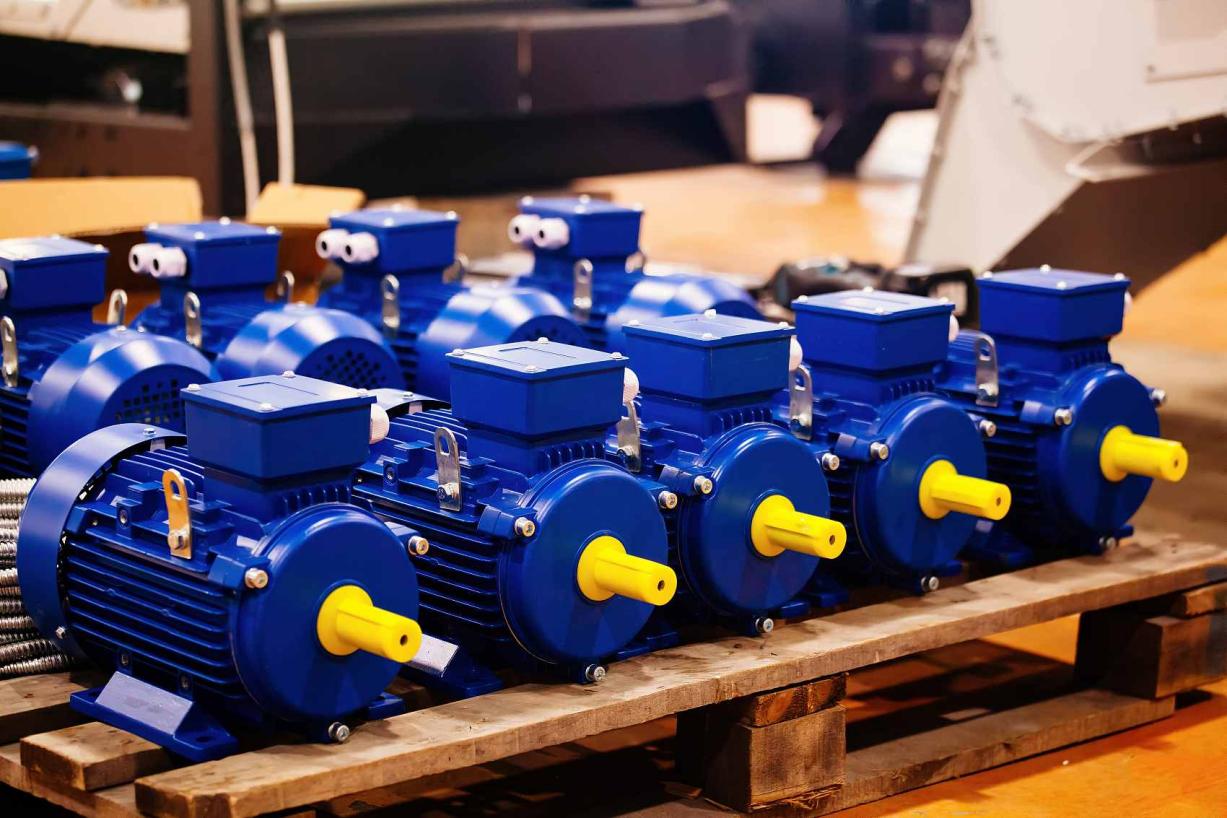
Wide Range of Electric Motors
![]()
Victory provides a complete range of motors including:
These motors are widely used in:
Gear reducers
Conveying systems
Pumps
Mixers
Industrial machinery
Stable Quality and Reliable Supply Chain
Victory focuses heavily on stable quality and long-term reliability.
Key strengths include:
Strict quality control
Long-term material suppliers
Experienced production team
Consistent product design
Many international customers rely on Victory motors as cost-effective alternatives to European brands such as ABB and Siemens.
Support for Global Equipment Manufacturers

Victory works closely with:
We provide not only motors but also technical support, drawings, and customization to ensure smooth integration into customer equipment.
FAQ: IEC vs NEMA Motor Standards
What is the main difference between IEC and NEMA motors?
The main difference lies in dimension standards, frame sizes, and measurement systems.
IEC motors use metric measurements, while NEMA motors use imperial measurements.
This affects shaft height, mounting holes, and overall motor dimensions.
Can IEC motors replace NEMA motors?
Yes, in many cases IEC motors can replace NEMA motors, but mechanical adjustments may be required.
Adapter plates, shaft modifications, or coupling adjustments are often used to make the replacement possible.
Which motor standard is more common worldwide?
IEC motors are more widely used globally, especially in Europe, Asia, and international machinery manufacturing.
NEMA motors are mainly used in North America.
Are IEC motors suitable for gear reducers and gear motors?
Yes. IEC motors are widely used with helical gear reducers, worm gearboxes, and gear motors.
The standardized IEC flange dimensions make them easy to integrate into gear transmission systems.
How do I choose between an IEC motor and a NEMA motor?
The choice depends mainly on:
If your equipment is designed for international markets, IEC motors are usually the preferred choice.
Conclusion
Understanding the differences between IEC motors and NEMA motors is essential for engineers, equipment manufacturers, and procurement teams.
While both standards provide reliable performance, their differences in dimensions, power ratings, and mounting standards mean careful consideration is required when selecting or replacing motors.
For most global industrial applications—especially in gear motors, gear reducers, and power transmission systems—IEC motors offer greater compatibility and flexibility.
If you are looking for a reliable supplier of high-efficiency IEC motors, working with an experienced manufacturer like Victory can ensure stable quality, competitive pricing, and professional technical support.